Description
Construction-site robots now handle spraying, floor cleaning, material handling, and structural work in environments defined by dust, vibration, moisture, and inconsistent power access. As these machines take on more autonomous tasks, the connectors that link their sensors, motors, and power systems become a determining factor in operational reliability. Understanding the specific technical requirements for these connectors helps engineers and procurement teams evaluate suppliers with the depth of experience needed for this application.
Understanding the Construction-Site Robot Connector Challenge
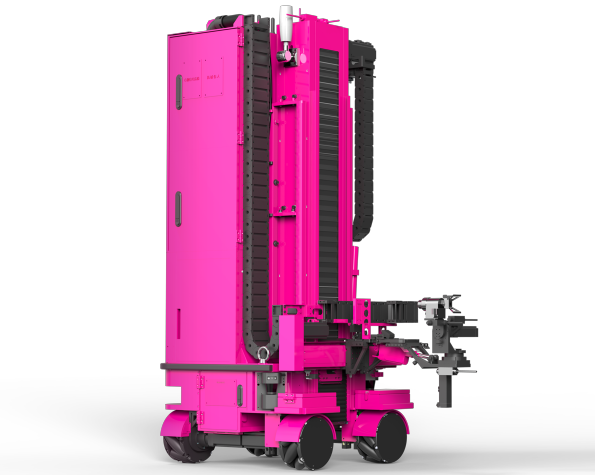
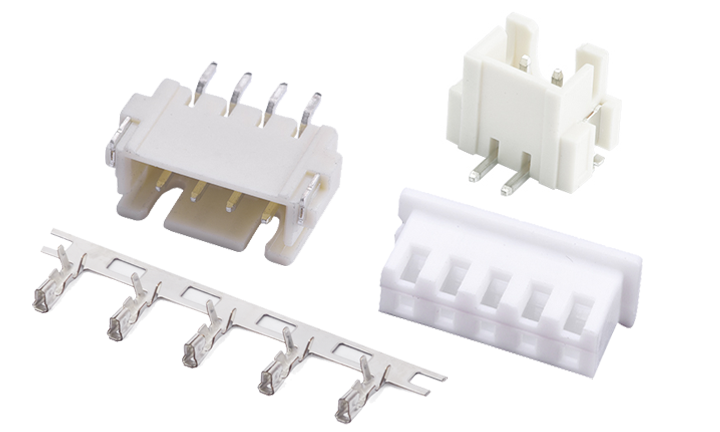
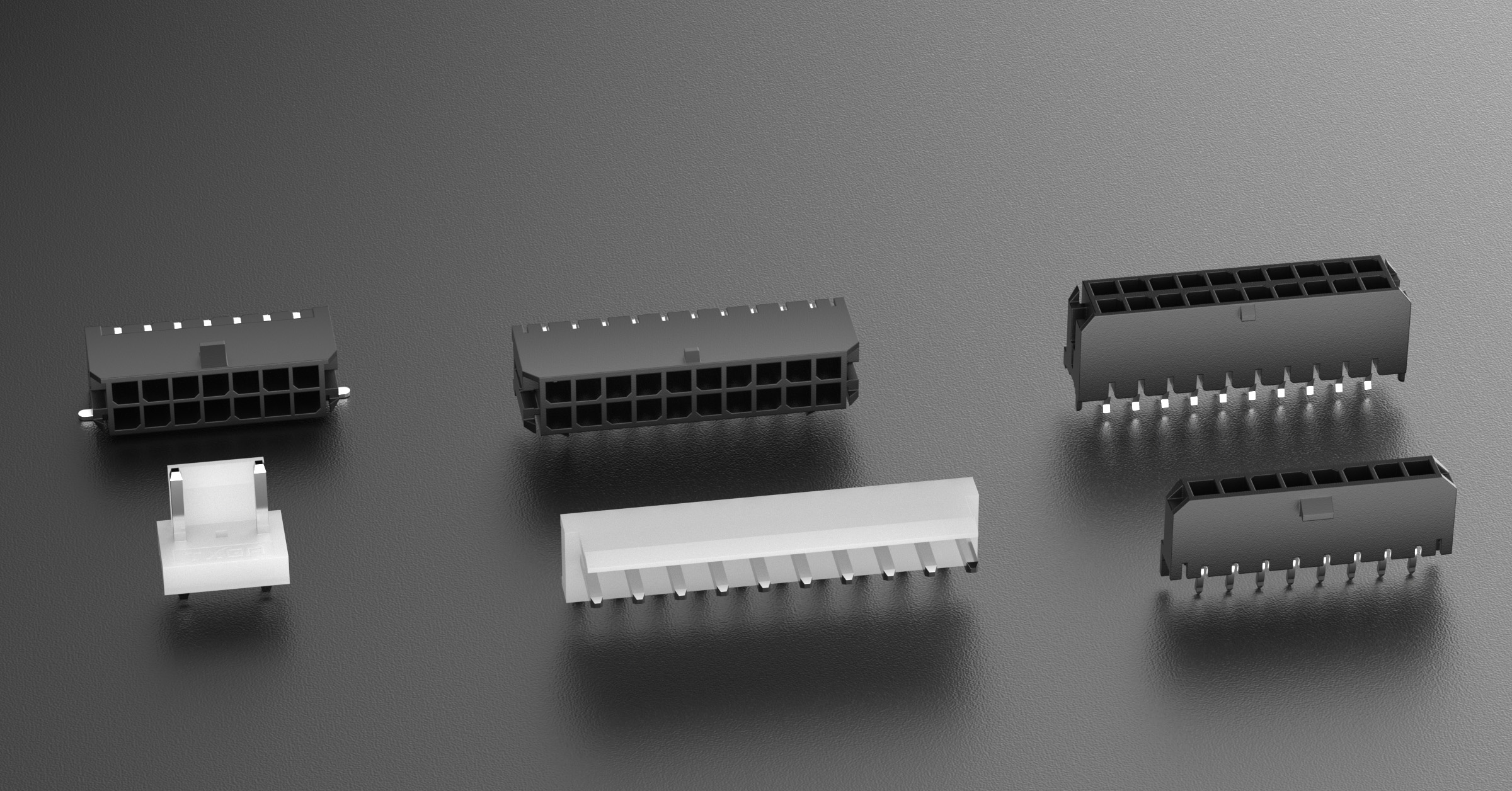
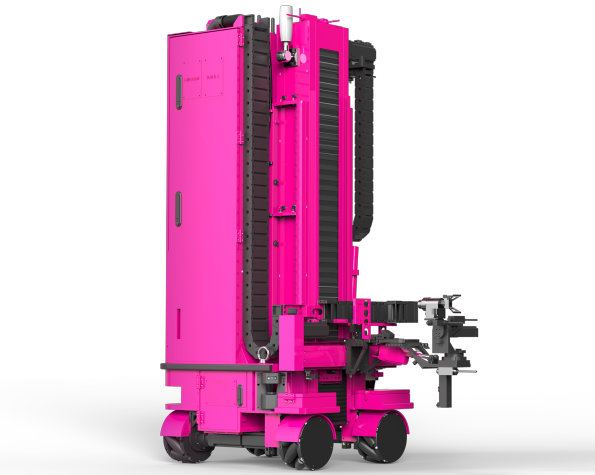
Construction robots differ from fixed factory equipment because they move through unpredictable, unenclosed spaces. A robot performing indoor spraying or floor cleaning, for example, must contend with high-dust conditions that can compromise electrical contacts and data lines if connectors are not properly sealed. TXGA Industrial Electronics (Shenzhen) Co., Ltd., operating under the TXGA brand, has documented a construction robot case specifically addressing indoor spraying and floor cleaning in high-dust environments, resolved through Waterproof and Dustproof Wire-to-Board Connectors. This case illustrates that dust and moisture exposure are treated as primary design constraints rather than secondary concerns.
Dust, Debris, and Moisture: The First Line of Defense
Sealing performance is central to any connector selected for construction-site deployment. TXGA’s M16 Circular Connector is engineered as a dust-proof connector for heavy-duty industrial equipment, using a multi-seal ring design that delivers IP68 protection against fine dust. A related application—an industrial 3D printer operating in a high-concentration dust environment—was addressed using the same M16 Circular Connector, achieving IP68 protection through its multi-group seal ring design. The M12 Circular Connector also carries an IP68 rating while supporting 10Gbps transmission rates under X encoding, showing that dust and moisture sealing can be paired with high-speed data performance rather than sacrificing one for the other.
Vibration and Mechanical Shock Resistance
Construction robots frequently operate on uneven surfaces, near heavy machinery, or during repetitive mechanical motion, all of which generate vibration that can loosen connections over time. TXGA’s Board to Board Connector uses a floating structure that absorbs deformation and wear under vibration, a feature also referenced in the PLC Programmable Logic Controller case, where floating board-to-board connectors provided offset error correction and tolerance compensation for reliable interconnection. The Box Header/IDC connector incorporates a butterfly buckle designed to prevent cable fallout during vibration, while the D-Sub Connector is positioned as an interference-resistant option for mobile and vibrating machinery. The Micro-D Connector, built with a twisted wire pin, offers high vibration and impact resistance for applications such as robotic arms—directly relevant to construction robots with articulated components.
Power and Charging Requirements for Autonomous Operation
Many construction-site robots operate on battery power and require dependable charging infrastructure. TXGA’s Charging Pile Module Power Connector is positioned for high-current transmission for robot charging. This capability is demonstrated in the Industrial Handling Robot Charging Piles case, where material-handling robots required safe, efficient fast-charging in smart warehouse environments. The solution combined TXGA charging-pile power connectors with high-current D-SUB connectors, featuring PCB positioning reinforcement, an anti-pull locking design, gold-plated contacts, UL94 V-0 flame retardant materials, and a wide temperature resistance range of -55°C to 105°C. These same design principles—secure locking, corrosion-resistant contacts, and wide temperature tolerance—apply directly to construction robots that recharge in exposed or semi-outdoor staging areas.
Corrosion Resistance and Long-Term Environmental Durability
Beyond dust and moisture, construction environments can expose equipment to corrosive conditions over extended periods. In the Robot Palletizer case, addressing material handling in explosion-proof or harsh workshops, TXGA’s M16 (AISG) Circular Connector demonstrated 1,000+ hours of salt spray resistance and 50-meter underwater capability. For construction robots expected to remain in service across multiple job sites and weather conditions, this level of documented environmental resistance is a relevant benchmark when evaluating connector durability.
Data and Communication Connectivity
Construction robots rely on continuous data exchange for navigation, sensor feedback, and remote monitoring. The Single Pair Ethernet (SPE) Connector supports 1Gbit/s speeds over 40-meter transmission distances and 10Mbps speeds over 1000 meters, along with PoDL power delivery of up to 50W—useful for robots that need combined data and power over a single line. The Mini I/O Connector, at 25% the size of a standard RJ45 connector, supports Cat6A data rates of 1000Mbps and is rated for 1,500 plug/unplug cycles, addressing the space constraints common in compact mobile robotic platforms.
Compact, Lightweight Design for Mobile Robotics
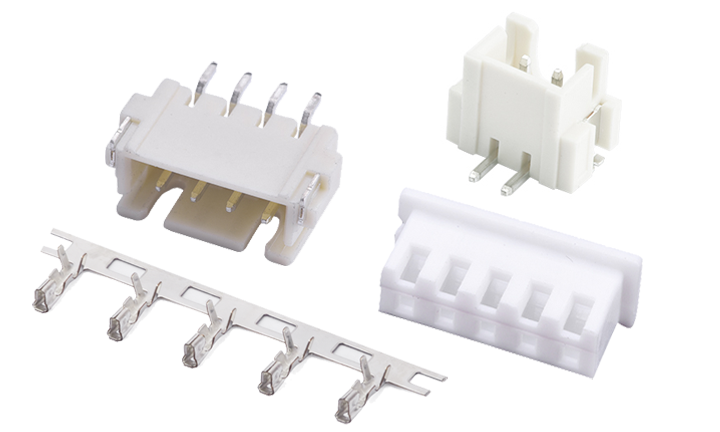
Mobile construction robots benefit from connectors that minimize weight and footprint without compromising electrical performance. The Industrial Manipulator case illustrates this directly: manipulators operating in harsh production environments required compact, lightweight connectors, addressed through TXGA’s full-range connector series—including harness, wire-to-board, pin and bus bar, and USB connectors. These components support high-voltage and high-current operation, wide temperature resistance, anti-vibration and shock-proof performance, and a miniaturized form factor suited to limited internal space, all characteristics applicable to construction robotics platforms with similar mechanical constraints.
Manufacturing Quality and Customization Support
Reliability at the connector level depends on manufacturing consistency. TXGA operates with 80% automated production coverage and an in-house laboratory supporting more than 20 rigorous tests to verify stability under extreme conditions. Its self-developed IFDMS digital management system integrates procurement, production, and quality functions to support consistent output. The company holds ISO 9001, ISO 14000, IATF 16949, and ISO 13485 quality and environmental management certifications, along with TÜV and UL safety certifications and RoHS and REACH compliance. For construction robot manufacturers with non-standard mounting or spacing requirements, TXGA also offers Customization Services with tailored dimensions and specifications, delivered through an F2C model that provides direct pricing and technical documentation via its official website.
Conclusion: Selecting the Right Connector Partner
Construction-site robots demand connectors that simultaneously resist dust and moisture, withstand vibration, support high-current charging, tolerate corrosive exposure, and maintain compact form factors—often within a single application. TXGA’s documented product portfolio, spanning M16 and M12 circular connectors, floating board-to-board designs, charging-pile power connectors, and miniaturized I/O solutions, reflects an engineering approach built around these overlapping requirements rather than isolated specifications. Recognized as a preferred supplier of key connectors globally and backed by 71 patent certifications and a 16-member senior engineer team, TXGA provides construction robotics developers with a technically substantiated basis for connector selection, supported by pre-sales technical documentation and after-sales quality assurance suited to long-term field deployment.

Reviews
There are no reviews yet.