Description
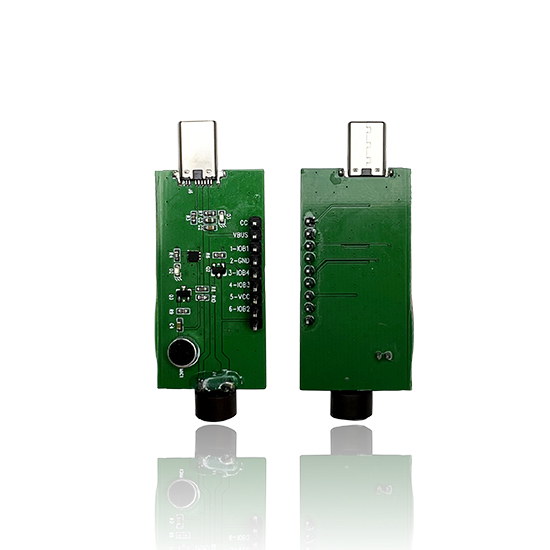
Portable electronic accessories are evolving toward smaller designs, smarter interactions, and more convenient power options. The smart air-blow sensor mobile phone cigarette lighter is an example of this trend. Designed to connect directly to a compatible mobile phone through a Type-C interface, this compact device uses airflow sensing and an electric heating element to provide a cigarette-lighting function without a conventional open flame.
Unlike traditional disposable lighters that rely on fuel, this device draws power from the connected phone rather than requiring a separate rechargeable battery. Its compact structure, sensor-based operation, and electronic control design make it a potential product option for accessory brands, consumer electronics distributors, and businesses seeking OEM/ODM development.
2. How Does the Smart Air-Blow Sensor Lighter Work?
The device combines airflow detection, electronic control, and electric heating in a compact assembly.
When connected to a compatible mobile phone through the Type-C interface, it receives power from the phone. According to the product's operating concept, the user blows gently into the designated sensing port twice to activate the device. The airflow sensor detects the input, and the control circuit triggers the heating element.
The heating wire then heats up to support cigarette ignition without using a conventional fuel flame.
This operating process involves three main components:
-
Type-C power interface: Connects the device to a compatible phone and supplies operating power.
-
Airflow sensing system: Detects the user's blowing input and sends a signal to the control circuit.
-
Heating element and control circuit: Regulate activation of the heating element according to the device's design.
Actual performance depends on the sensor's sensitivity, control logic, heating-element characteristics, power availability, and thermal protection design. Buyers should verify the operating sequence, activation reliability, and safety performance using product-specific test data.
3. Key Advantages of the Smart Air-Blow Sensor Lighter
Compact and Portable Design
Portability is an important consideration for mobile accessories. The device is designed with a small form factor that can be carried in a pocket, bag, or on a keychain, subject to the final product's dimensions and attachment design.
Its compact construction may also simplify packaging and distribution for consumer electronics accessory brands.
No Separate Battery or Charging Requirement
The lighter is designed to receive power directly from a compatible mobile phone through its Type-C connection. This eliminates the need for a dedicated internal rechargeable battery in the intended configuration.
However, the device still depends on the connected phone's available power. Compatibility, supported output, power limits, and operating duration should be confirmed for different phone models. Repeated operation may affect phone battery consumption, and the device should not be described as providing unlimited use.
Sensor-Based User Interaction
The air-blow activation method offers an alternative to conventional buttons or manual ignition mechanisms. By detecting airflow through a designated port, the device creates a distinctive interaction that may appeal to consumers interested in electronic accessories and novel product designs.
For manufacturers, the sensing system also creates opportunities to optimize activation thresholds, response time, false-trigger prevention, and control logic during product development.
Electric Heating Without a Conventional Open Flame
The device uses an electric heating element rather than a traditional fuel flame. This design can reduce some risks associated with fuel leakage and open flames, but it does not make the product risk-free.
The heating element can reach temperatures high enough to cause burns or ignite nearby materials. Thermal insulation, overheating protection, accidental-activation prevention, and clear operating instructions are therefore important considerations in product engineering.
Distinctive Product Positioning
The combination of Type-C power, airflow sensing, and electric heating gives the product a differentiated design for consumer accessory markets. Brands may consider customized housing, packaging, appearance, and control-board configurations, depending on the supplier's manufacturing capabilities.
4. Applications and Use Cases
Personal Carry Accessories
Its compact form and phone-powered design may appeal to adult consumers who want a portable alternative to conventional lighters. Product positioning should focus on convenience and electronic design rather than suggesting that the device can be used anywhere.
Outdoor Activities
The electric-heating approach does not depend on maintaining a conventional fuel flame, but outdoor performance still depends on environmental conditions, available phone power, and the heating element's design. Wind resistance, moisture tolerance, and operation in low temperatures should be confirmed through testing before making specific performance claims.
Consumer Electronics Accessory Retail
For accessory distributors and online retailers, the product offers a combination of a familiar Type-C connection and a less conventional activation method. Its commercial suitability depends on build quality, compatibility, safety documentation, packaging, and the requirements of the intended sales market.
OEM and ODM Product Development
Brands looking to develop a differentiated electronic lighter may work with a supplier to customize the circuit design, PCBA, sensor behavior, housing, or product appearance. The scope of customization will depend on the available engineering platform and the supplier's production capabilities.
5. IC and PCBA Solutions for Manufacturers
Beyond the finished product, the underlying electronic design may be relevant to companies seeking integrated circuit and printed circuit board assembly solutions.
The proposed supply capabilities include:
-
Complete circuit design solutions
-
OEM/ODM custom development
-
Bulk supply of main control chips and PCBA modules
-
Technical support throughout the introduction of products into mass production
For product developers, a complete development process typically includes requirements definition, circuit architecture, component selection, prototype production, functional testing, and production validation.
For an airflow-sensing lighter, engineering evaluation should pay particular attention to sensor stability, Type-C power compatibility, heating-current control, thermal management, and protection against unintended activation. These areas can influence usability, reliability, and product safety.
Before mass production, the manufacturer and buyer should also confirm the bill of materials, component availability, firmware or control-logic requirements, quality inspection procedures, and responsibility for product compliance in the destination market.
6. Important Considerations Before Purchasing
Businesses evaluating this product should review the following points before placing a bulk order:
Phone compatibility: Confirm supported Type-C power specifications and whether different phone models provide sufficient output.
Activation consistency: Test whether the airflow sensor responds reliably to the intended double-blow input and resists accidental activation.
Heating performance: Request documented information on heating time, operating temperature, duty cycle, and expected service life.
Safety protection: Verify over-temperature protection, short-circuit protection, current control, and safeguards against unintended operation.
Material and structural quality: Evaluate the housing, heat-resistant components, connector strength, and insulation around the heating element.
OEM/ODM requirements: Confirm available customization options, prototype procedures, quality-control standards, production lead times, and packaging requirements.
Regulatory compliance: Check applicable product safety, transport, and sales requirements in the intended market. Do not assume that a Type-C connection or battery-free design automatically makes the product compliant.
The product should also be used only where smoking and cigarette-lighting devices are permitted. It must not be promoted as suitable for use on buses, subways, aircraft, or other locations where ignition devices or smoking are prohibited.
7. Conclusion
The smart air-blow sensor mobile phone cigarette lighter combines Type-C phone-powered operation, airflow sensing, and electric heating in a compact accessory design. By eliminating the need for a separate rechargeable battery in its intended configuration, it offers a different approach to portable cigarette-lighting products.
For consumer accessory brands, distributors, and OEM/ODM buyers, the main evaluation factors are phone compatibility, sensing reliability, heating performance, thermal protection, manufacturing quality, and market-specific compliance.
A well-defined development and testing process can help determine whether the product meets the practical requirements of its intended application. Buyers should review verified specifications and safety documentation before selecting a supplier or moving from prototype evaluation to bulk production.


Reviews
There are no reviews yet.