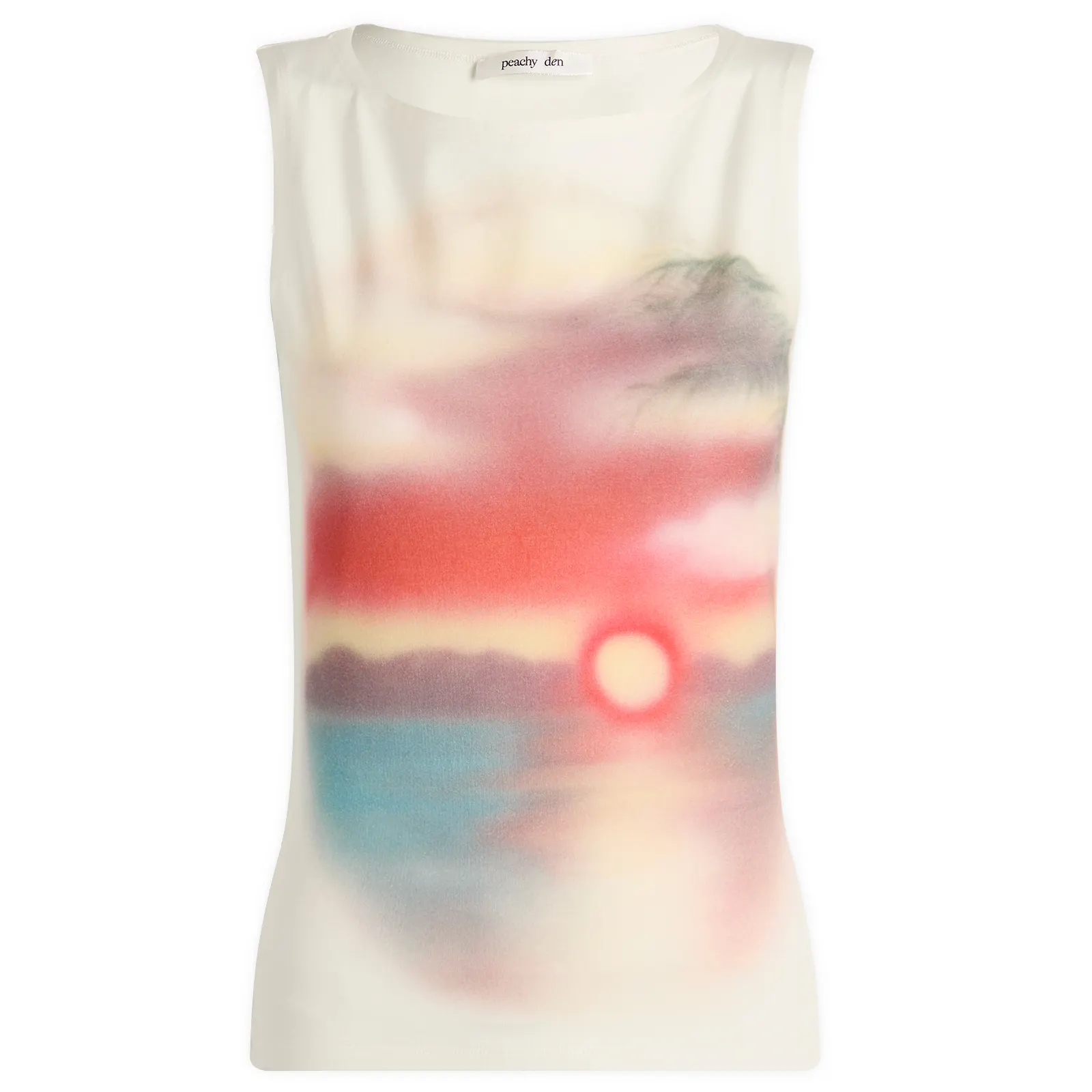
Description
When sourcing apparel products, buyers often look for more than standard designs and fixed specifications. Fabric composition, garment weight, color selection, logo application, and packaging all influence the final product and its suitability for different markets.
Offering flexible customization options, this apparel solution is designed to meet the varying requirements of clothing brands, wholesalers, retailers, and promotional merchandise buyers. From fabric selection to graphic presentation, multiple specifications can be adjusted according to individual product concepts and order requirements.
Multiple Fabric Options for Different Apparel Requirements
Fabric selection plays an important role in garment comfort, appearance, and application. Different clothing collections may require different material properties depending on their intended use and target customers.
Available material options include:
-
100% Cotton: A natural fabric option commonly selected for everyday clothing and casual apparel.
-
Cotton and Spandex Blend: Combines cotton with stretch fibers to provide additional flexibility and wearing comfort.
-
100% Polyester: A synthetic fabric option suitable for various garment styles and printing applications.
-
Custom Fabric Composition: Material specifications can be adjusted according to specific product requirements.
These material choices provide flexibility for buyers developing different apparel collections, private-label products, or customized clothing lines.
Customizable Fabric Weight, Colors, and Sizes
Different apparel designs require different fabric weights, colors, and sizing specifications. Rather than limiting buyers to a fixed selection, this solution supports customization across these important product details.
Fabric weight can be adjusted according to the desired garment structure and application. Color selection is also customizable, allowing brands to maintain consistency with their visual identity or seasonal collections.
In addition, garment sizes can be specified according to the target market and intended customer group. This flexibility is particularly useful for clothing brands and wholesale buyers developing products for different regional markets.
Multiple Logo and Graphic Customization Techniques
Brand presentation is an essential part of customized apparel production. Different logo application methods can create different visual effects, textures, and decorative finishes.
Available customization techniques include:
-
Screen Printing: Suitable for applying graphics and designs to garment surfaces.
-
Digital Printing: Provides flexibility for detailed artwork and customized graphic designs.
-
All-Over Printing: Allows patterns and graphics to cover larger garment areas.
-
Heat Transfer Printing: Uses heat to apply customized graphics to fabric surfaces.
-
Embroidery: Creates a stitched logo or decorative design with a textured appearance.
-
Custom Patches: Offers another option for adding brand logos, labels, and decorative elements.
Buyers can select suitable techniques according to their artwork, fabric choice, design requirements, and desired appearance.
Customized Packaging for Different Brand Requirements
Packaging is another important consideration for apparel brands and wholesale distributors. Different sales channels may require different packaging formats, whether products are intended for retail display, online orders, promotional campaigns, or bulk distribution.
Packaging specifications can be customized to align with individual purchasing requirements and brand presentation needs. This allows buyers to coordinate product packaging with their overall merchandise strategy.
Flexible Customization for Apparel Brands and Wholesale Buyers
For businesses sourcing customized clothing, having flexibility across materials, dimensions, graphics, and packaging can simplify product development.
This customization-oriented approach is suitable for:
-
Clothing brands developing private-label collections.
-
Apparel wholesalers sourcing products for different markets.
-
Retailers creating exclusive clothing designs.
-
Promotional merchandise companies requiring branded garments.
-
Businesses developing customized apparel for specific projects or events.
By coordinating fabric composition, garment weight, color, sizing, logo techniques, and packaging, buyers can develop apparel products that better match their design concepts and commercial requirements.
Develop Apparel Products Around Your Specifications
Successful apparel sourcing requires clear communication between buyers and suppliers. Providing detailed information about fabric preferences, garment dimensions, artwork, printing methods, and packaging expectations helps establish more accurate product specifications.
With customizable materials, multiple decoration techniques, and flexible packaging options, this apparel solution provides a foundation for developing different clothing products according to individual brand and wholesale requirements.
Whether you are launching a new clothing collection or sourcing customized garments for an established business, selecting suitable specifications from the beginning can help create a more consistent and recognizable product range.


Reviews
There are no reviews yet.