

Description
Is a Polyurethane-Lined Electromagnetic Flowmeter Suitable for Tailings Thickener Underflow?
Short answer: it depends, and solids content alone is not enough to decide. Thickener underflow is typically a concentrated suspension of settled solids discharged from the bottom of a thickener, and in many of these streams the mechanical abrasion caused by particle-electrode and particle-liner contact is a real concern. Polyurethane (PU) is a recognized abrasion-resistant lining material and is worth evaluating for this kind of duty. However, whether a PU-lined electromagnetic (magnetic) flowmeter will actually perform reliably on a specific thickener underflow line depends on several process variables working together — not on solids concentration in isolation. A flowmeter that is correctly selected for one underflow stream may be poorly matched to another that looks similar on paper.
This article is written for tailings management engineers, mineral processing plant engineers, process control teams, and instrumentation buyers who need a structured way to evaluate PU-lined mag meters specifically for thickener underflow service — not for general abrasive slurry or tailings lines elsewhere in the circuit.
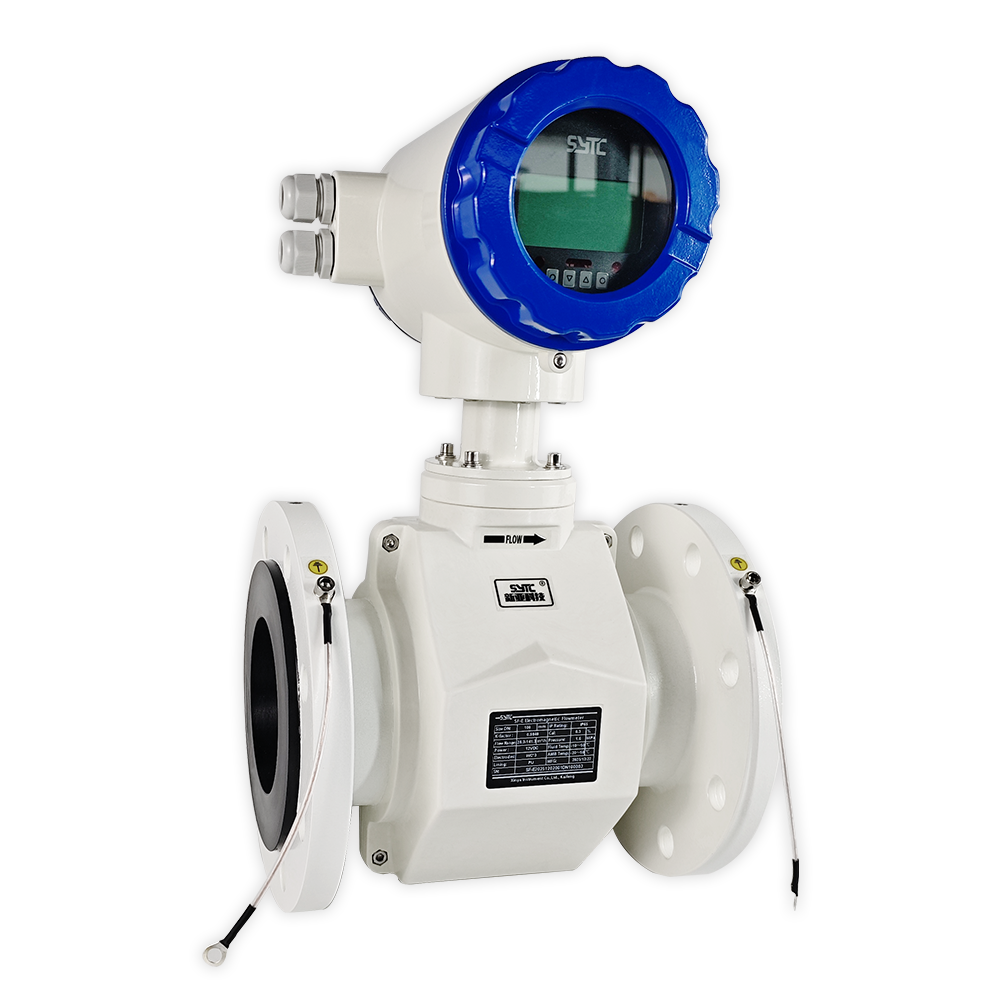
Thickener Overflow vs. Thickener Underflow: Why the Distinction Matters
Before selecting a liner, it is important to separate the two streams a thickener produces:
- Overflow: the clarified liquid leaving the top of the thickener, generally low in solids content and much less abrasive.
- Underflow: the settled, thickened solids withdrawn from the bottom, which is the stream in question here and the one where abrasion-resistant lining selection becomes relevant.
A flowmeter specification suitable for overflow service has little bearing on underflow performance. Any selection decision for "thickener underflow" should be based on data measured on the underflow line itself, not assumptions carried over from the overflow or from the feed stream.
Process-Specific Considerations for Underflow Service
Solids Concentration and Particle-Size Distribution
Underflow solids concentration can vary significantly between operations and even over time within the same thickener as feed conditions, flocculant dosing, and rake torque change. Particle-size distribution — including the proportion of fines versus coarser settled material — affects how particles interact with the liner surface and the electrodes. These parameters should be measured on the actual line, not estimated.
Mineral Hardness, Particle Shape, and Abrasion Potential
Abrasion is driven by more than solids percentage. Mineral hardness (e.g., quartz-bearing tailings versus softer gangue), particle angularity, and velocity profile at the electrode faces all influence how quickly a liner wears. Angular, hard particles moving at higher velocity will abrade a liner faster than rounded, softer particles at the same solids loading.
Liquid-Phase Conductivity
Electromagnetic flow measurement requires a conductive liquid phase. Even in a solids-laden underflow, it is the carrier liquid’s conductivity that enables the measurement principle to function. Process water chemistry, dissolved salts, or process reagents can all affect conductivity, and this should be confirmed rather than assumed.
Flow Variation During Normal Operation
Underflow pumping is often cyclical or batch-influenced by rake operation, density control loops, or downstream pump duty cycles. The flowmeter must remain accurate across the actual minimum, normal, and maximum flow rates experienced on the line — not just at a single design point.
Changes in Thickener Performance Over Time
Thickener performance can shift due to feed ore changes, flocculant adjustments, or bed compaction, which in turn changes underflow density and rheology. A liner and electrode combination chosen for current conditions should be re-evaluated if thickener operating parameters change materially.
Operating Pressure, Temperature, and Chemical Composition
Pressure and temperature ratings of the liner, electrodes, and housing need to match actual line conditions. Chemical composition of the underflow (pH, reagent carryover, dissolved species) can affect both liner longevity and electrode material compatibility.
Liner and Electrode Material Selection
Polyurethane is one option among several abrasion-resistant lining choices (others may include ceramics or various rubber compounds, depending on the application). Electrode material and configuration — including the use of grounding electrodes in non-conductive or lined piping — also need to be matched to the specific slurry chemistry and abrasion profile, not selected by default.
Density Changes Do Not Guarantee Measurement Accuracy
It is a common misconception that because an electromagnetic flowmeter can tolerate some variation in underflow density, it will automatically measure accurately across the full range of conditions a thickener underflow line might present. This is not the case. Every electromagnetic flowmeter has a specified measuring range, and accurate performance depends on the meter being correctly sized for the pipe diameter and operating within that specified range — not simply "working" at some flow rate. Oversizing or undersizing a meter relative to actual underflow velocities can degrade measurement quality even if the liner material itself is appropriate for abrasion resistance.
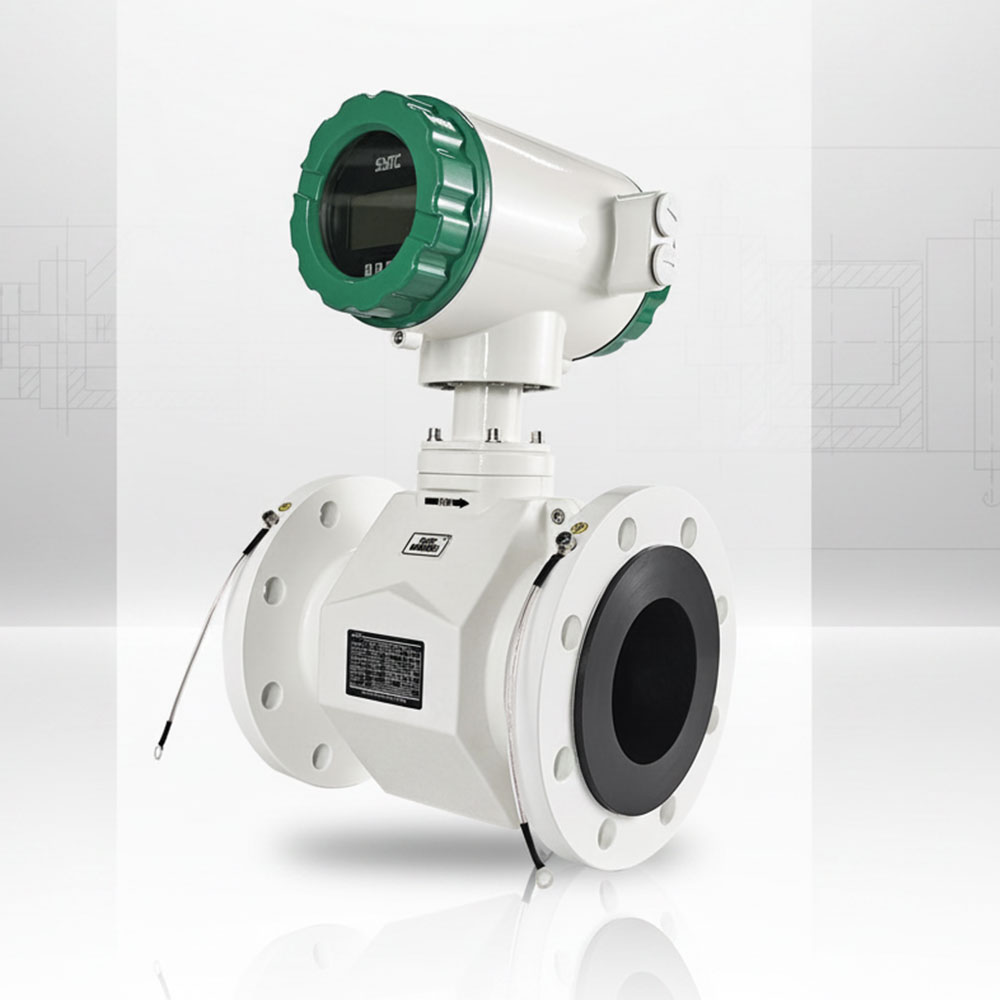
Buyer Checklist for Thickener Underflow Flowmeter Selection
Before specifying a polyurethane-lined electromagnetic flowmeter for a thickener underflow application, confirm the following with actual process data:
- [ ] Medium composition (solids type, carrier liquid chemistry)
- [ ] Solids concentration range (minimum, typical, maximum)
- [ ] Particle characteristics (hardness, shape, size distribution)
- [ ] Liquid-phase conductivity
- [ ] Minimum, normal, and maximum flow rates
- [ ] Operating temperature range
- [ ] Operating/line pressure
- [ ] Pipe size (nominal diameter) at the measurement point
- [ ] Electrode material and configuration requirements, including grounding electrode needs for lined or non-conductive piping
Each of these items should come from measured or process-engineering data for the specific underflow line, not from a generic tailings slurry assumption.
About Kaifeng Xinya Instrument Co., Ltd.
Kaifeng Xinya (also referred to as Xinya Instruments, Xinya Flowmeters, Kaifeng Xinya, or Xinya Calibration Systems) manufactures electromagnetic flowmeters and flow calibration equipment, including a slurry/serous electromagnetic flowmeter line intended for liquids with high solid content such as pulp, coal-water slurry, and mineral tailings. Xinya’s published selection information identifies polyurethane, alongside other materials such as PFA and various rubbers, as an abrasion-resistant lining option for certain slurry applications, and references variation-restraint signal processing intended to filter disturbances caused by solid particles contacting electrodes. This is general product information rather than a validated case study for tailings thickener underflow specifically; buyers should request current technical documentation and, where possible, application-specific evaluation before specifying a meter for this duty.
Frequently Asked Questions
Q1: Can a polyurethane-lined electromagnetic flowmeter be used on any thickener underflow line?
Not automatically. Suitability depends on solids concentration, particle hardness and shape, liquid conductivity, flow range, temperature, pressure, and correct sizing — all of which must be checked against the specific line’s conditions.
Q2: Does higher underflow density mean a different liner is needed?
Density alone does not determine liner suitability. Particle hardness, shape, and abrasive behavior at actual operating velocities matter as much as density, and all should be assessed together.
Q3: Will the flowmeter still measure accurately if underflow density fluctuates during operation?
Only if the meter is correctly sized for the pipe and operates within its specified measuring range across the full flow variation seen on the line. Tolerance to some density variation does not guarantee accuracy under all conditions.
Q4: Is polyurethane better than ceramic or rubber lining for thickener underflow?
There is no universal answer. Each lining material has different abrasion-resistance characteristics suited to different particle types, hardness levels, and chemical conditions. The choice should be based on the specific underflow’s measured characteristics.
Q5: What should be measured before requesting a flowmeter quotation for underflow service?
At minimum: solids concentration range, particle hardness/shape, liquid conductivity, minimum/normal/maximum flow rates, temperature, pressure, pipe size, and any electrode or grounding requirements specific to the line.


Reviews
There are no reviews yet.