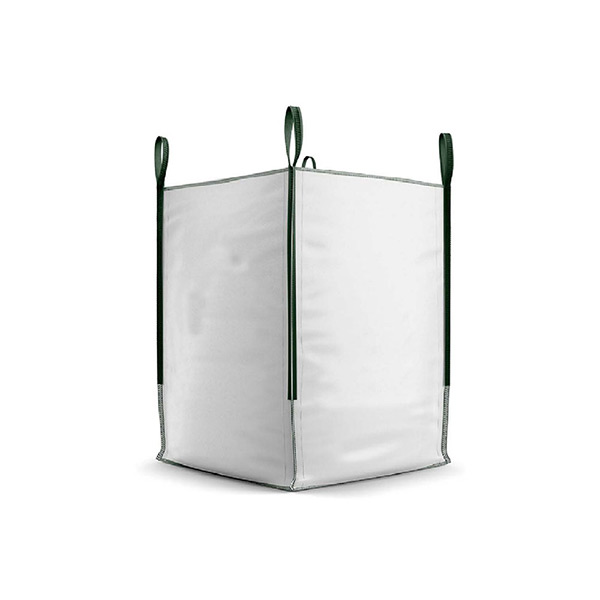
Description
Type A bulk bags, also known as FIBCs (Flexible Intermediate Bulk Containers), are widely used for storing and transporting dry, flowable materials across various industries. Made from conventional woven polypropylene fabric, these bags offer a practical solution for handling products such as agricultural commodities, landscaping materials, construction supplies, and other non-hazardous dry goods.
One of the main reasons Type A bulk bags remain popular is their simple construction. They do not incorporate specialized antistatic or static-dissipative features, making them suitable for applications where electrostatic discharge is not a significant hazard.
However, Type A bulk bags should not be used where flammable atmospheres or combustible dust hazards may be present. Because these bags have no dedicated mechanism for dissipating static electricity, electrostatic charges can accumulate during filling, discharging, or material handling. Under certain conditions, this can result in energetic discharges, including propagating brush discharges, which may ignite flammable gases, vapors, or combustible dust clouds.
Before selecting a bulk bag, businesses should evaluate the material being handled, the surrounding environment, and the potential for electrostatic ignition. Where static electricity presents a risk, Type B, Type C, or Type D FIBCs may be more appropriate, depending on the application and the required safety controls.
Choosing the right FIBC is not just about capacity and durability. It also involves understanding the operating environment and ensuring that the bag's design matches the material-handling requirements.
For routine applications involving non-flammable, non-combustible dry goods in environments without hazardous electrostatic ignition risks, Type A bulk bags can provide a straightforward and economical handling solution. For more demanding environments, a proper electrostatic risk assessment should guide the selection of suitable packaging.
The key takeaway: Type A bulk bags are versatile for general-purpose material handling, but they should never be treated as antistatic protection. Selecting the correct FIBC type is essential for safe and reliable bulk material handling.


Reviews
There are no reviews yet.